
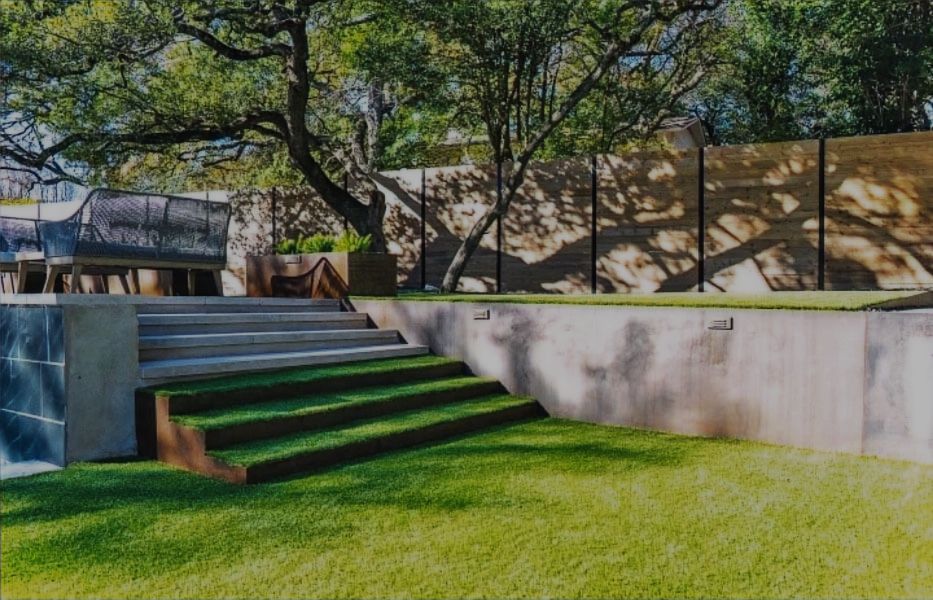
Expert landscape design services in Austin, Texas for your home.
Creating the perfect landscape design for your home in Austin, Texas involves careful planning and realizing of the local climate, soil conditions, and native plant life. By incorporating these elements into your landscape design, you can enhance the beauty and functionality of your outdoor space. This comprehensive guide will explore various landscape design options, considerations, and tips to help you achieve a stunning and sustainable outdoor environment.
Climate Considerations
Appreciating Austin's Climate and Soil Conditions
Soil Analysis
Austin, Texas experiences a subtropical climate with hot summers and mild winters. Understanding the local climate is essential when planning your landscape design. Opt for drought-resistant plants and trees that can withstand high temperatures and limited water availability. Incorporating shade elements such as pergolas, arbors, or shade sails can also provide relief from the intense summer heat.
Native Plant Selection
Before embarking on your landscape design project, it's crucial to assess the soil conditions on your property. Austin's soil is predominantly clayey, which can present challenges for plant growth and drainage. Conduct a soil analysis to determine its pH level, nutrient content, and drainage capabilities. Based on the results, you can select plants that are well-suited to the specific soil conditions on your property.
Hardscaping Elements
Native Plants and Landscaping Features
Efficient Irrigation Systems
Incorporating native plants into your landscape design offers numerous benefits. Native plants are adapted to the local climate, require minimal maintenance, and provide essential habitat for local wildlife. Consider using native Texas plants such as Texas lantana, Texas sage, yucca, and black-eyed Susan to add color, texture, and ecological value to your outdoor space.
Xeriscaping Principles
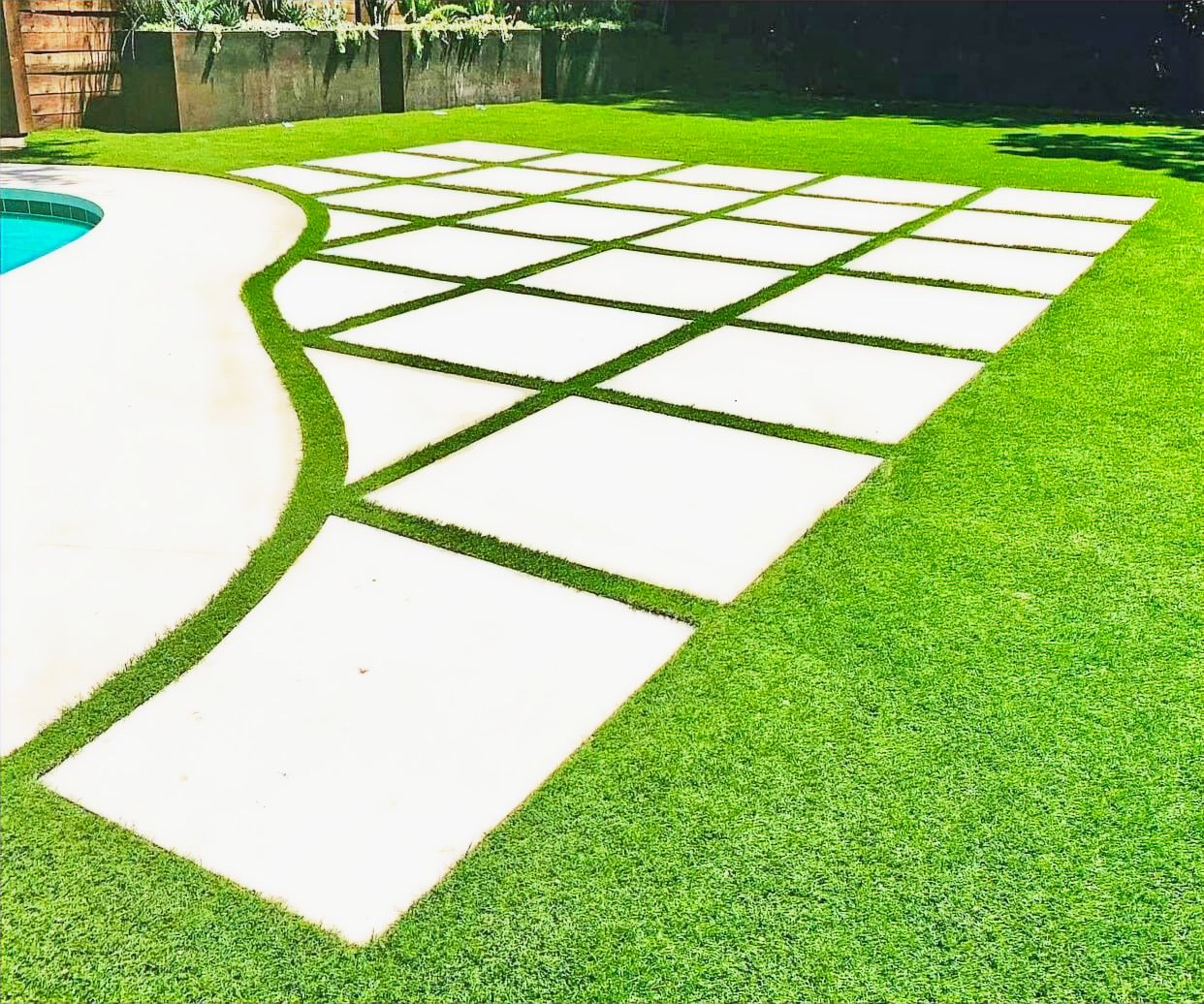
Integrating hardscaping elements into your landscape design can enhance its functionality and aesthetic appeal. Consider adding features such as patios, walkways, retaining walls, and outdoor kitchens to create distinct areas for relaxation and entertainment. Utilize durable materials such as natural stone, pavers, and concrete to ensure longevity and resilience in the Texas climate.
Engaging a Landscape Architect
Water-Wise Landscape Design Practices
Design Approval and Permits
Given the periodic drought conditions in Austin, implementing efficient irrigation systems is crucial for maintaining a thriving landscape. Consider installing drip irrigation or soaker hoses to deliver water directly to the root zones of plants, minimizing water wastage and promoting healthier growth. Additionally, incorporating rainwater harvesting systems can help supplement irrigation needs during drier periods.
Environmental Considerations
Xeriscaping, a water-conserving landscaping approach, aligns well with Austin's climate and water conservation efforts. Embrace xeriscaping principles by utilizing drought-tolerant plants, mulching to retain soil moisture, and reducing the size of lawns in favor of native plantings. This approach not only conserves water but also reduces maintenance requirements and promotes sustainability.
Maintenance and Long-Term Care
Professional Landscape Design Services
Enhance your outdoor space with professional landscaping lights today! Learn about landscaping lights in Austin, TX (Hyde Park 78751).
For homeowners seeking a truly customized and professionally executed landscape design, working with a reputable landscape architect is invaluable. A landscape architect can assess your property, conceptualize design plans, and oversee the implementation of the project. Their expertise in plant selection, hardscaping, and sustainable design practices ensures a cohesive and visually appealing outdoor space.
In Austin, certain landscape design projects may require approval from local authorities and adherence to specific regulations. This is particularly relevant for projects involving major hardscaping, grading, or tree removal. A qualified landscape architect can navigate the permitting process and ensure that your design complies with local ordinances and environmental guidelines.
Sustainable Landscaping Practices
Incorporating sustainable landscaping practices can minimize the environmental impact of your outdoor space. Consider using permeable paving materials to reduce stormwater runoff, creating wildlife-friendly habitats with native plantings, and integrating energy-efficient lighting to enhance nighttime ambiance while minimizing energy consumption.
Sustainable landscape designs prioritize low-maintenance and long-term sustainability. Selecting plants that require minimal watering and grooming, investing in high-quality, durable materials for hardscaping, and implementing smart irrigation technologies can reduce the need for ongoing maintenance and ensure the longevity of your landscape design.
Wrapping up
Creating a captivating and functional landscape design in Austin, Texas involves a thoughtful blend of native plants, hardscaping elements, water-wise practices, and professional expertise. By harnessing the unique characteristics of the local climate and soil conditions, homeowners can cultivate outdoor spaces that are both aesthetically pleasing and environmentally sustainable.
Keep Reading
Related Articles
10 Fantastic Austin Commercial Landscaping Ideas
Commercial landscaping is about more than just aesthetics. A well-maintained property with beautifully designed features and usable spaces c...
Read More →5 Ideas To Enhance Your Austin Landscape Design
Whether you own a busy commercial property in dire need of improvement or have a home that needs better curb appeal, there are many ways to ...
Read More →5 Reasons Why You Should Hire An Austin Lawn Care Service
Your lawn is more than empty green space around your home. It's a place to enjoy the great outdoors, make memories with the people you love,...
Read More →Let's Get Started
Ready to Transform Your Outdoor Space?
Contact Sullivan's today to schedule a free design consultation and discover what's possible for your property.